

About
The Center for Empowerment and community-Driven Research (CEDR) works to ensure that all communities have a voice in research. Using a Community Health Worker-led, patient-centered approach, we build trust, remove barriers, and support participants from recruitment to completion. Through education and advocacy, we empower communities and stakeholders to create more inclusive and impactful research.
Mission
CEDR’s mission is to strengthen the research ecosystem by partnering with communities and industry leaders to improve representation in clinical trials. We support participants using a patient-centered, Community Health Worker-led approach that builds trust, removes barriers, and ensures that all voices are heard and valued.
Vision
We envision a research ecosystem where diversity drives innovations and impact, where every community has a voice in research and access to the innovations that lead to healthier lives for all.
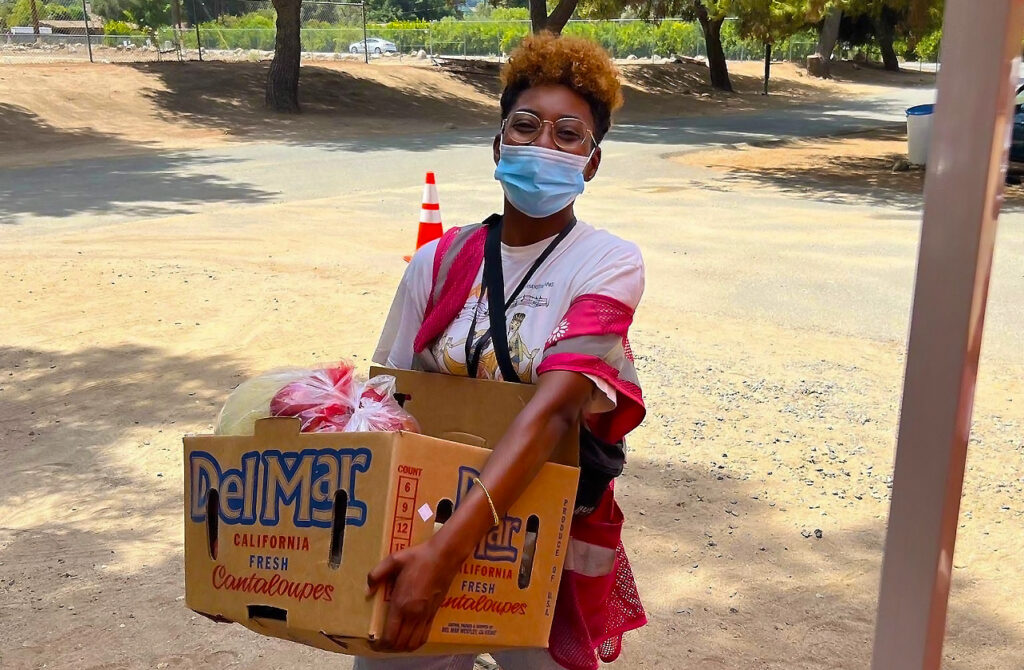
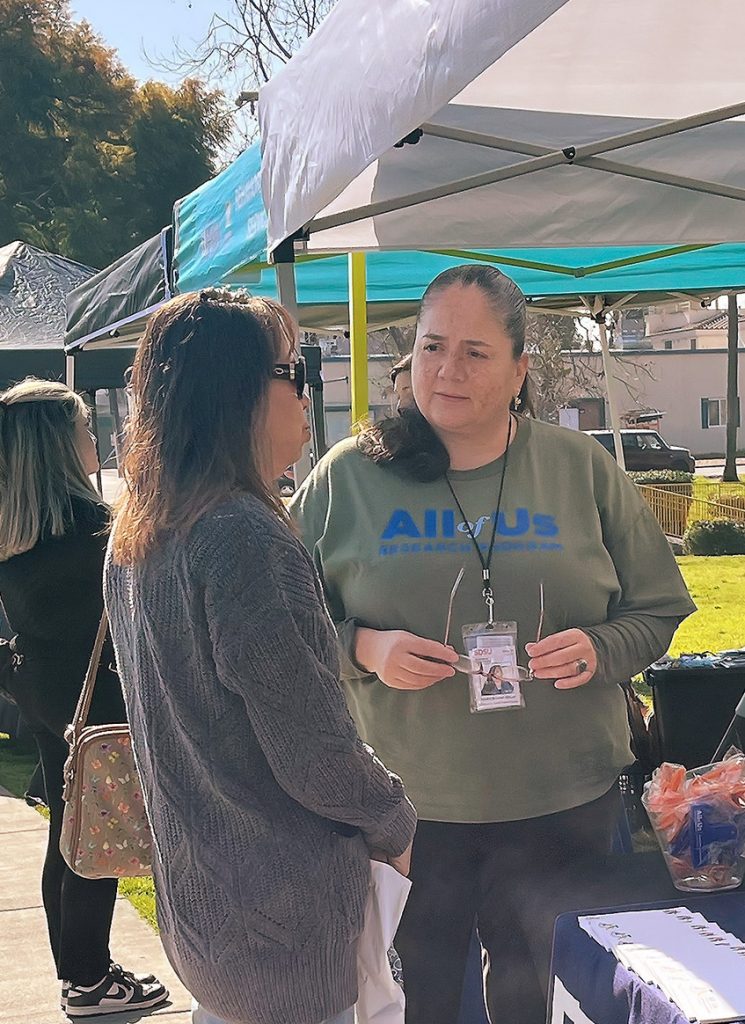
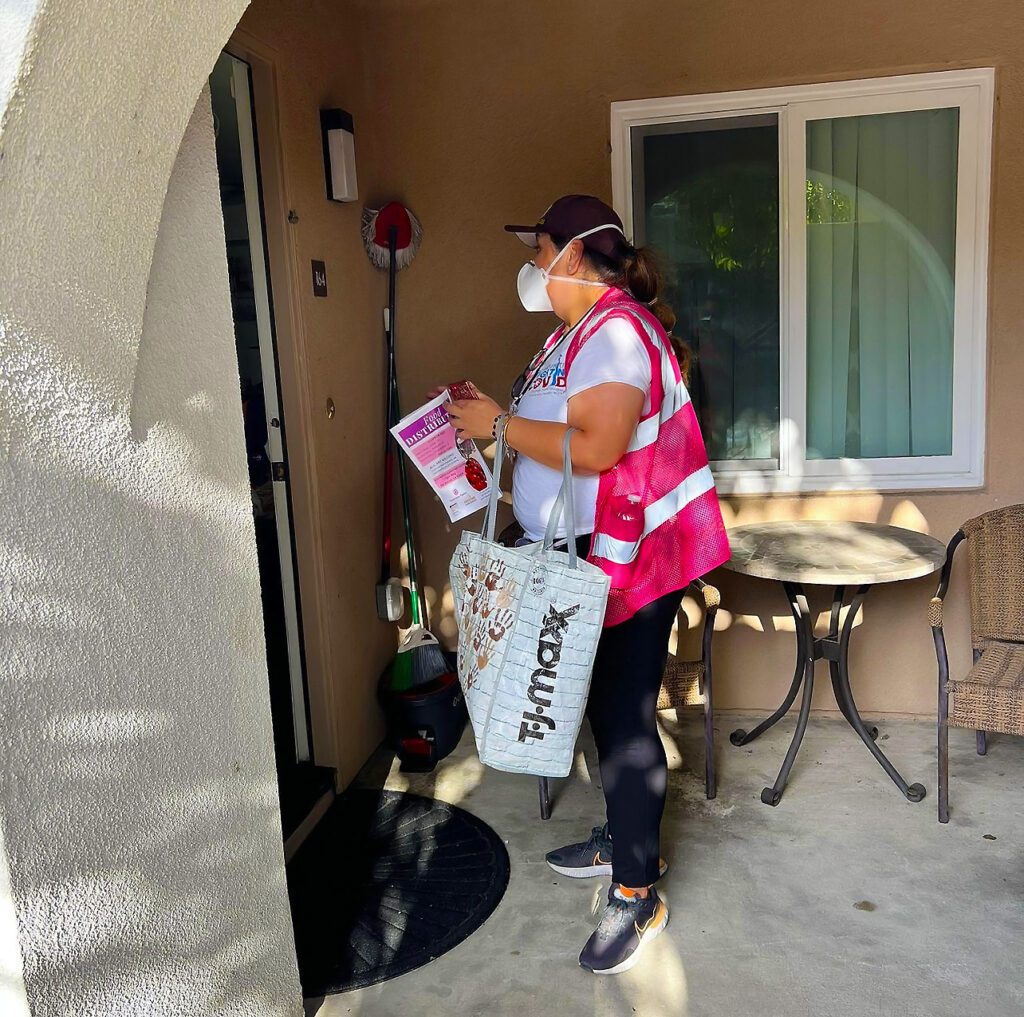
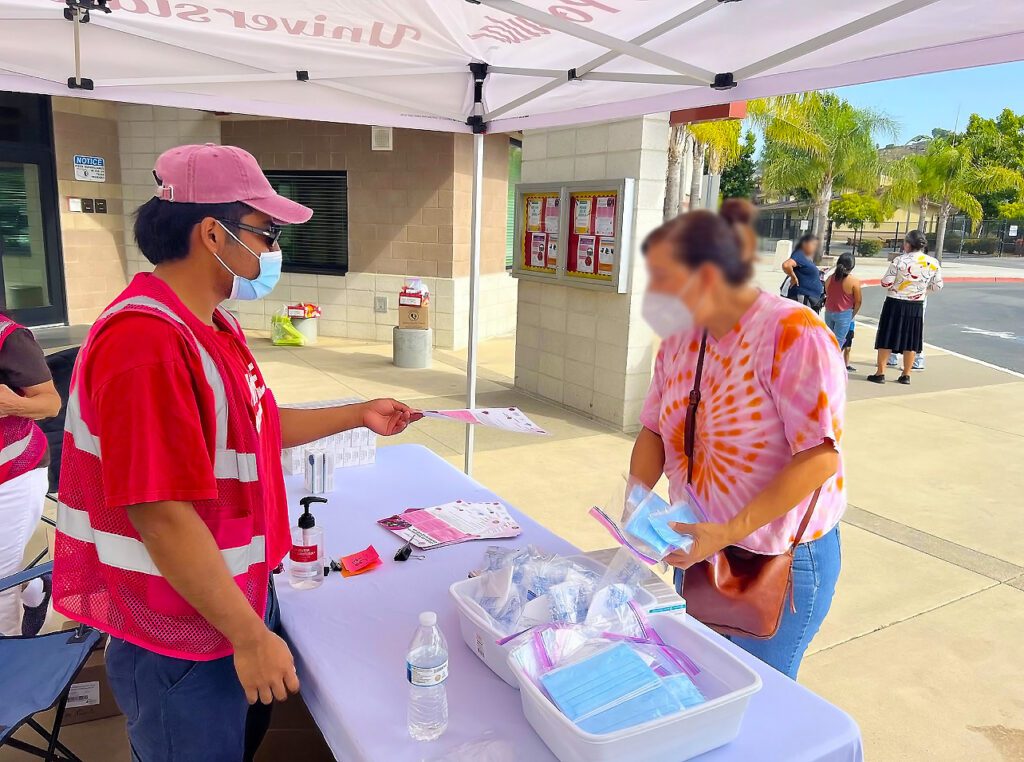

VALUES
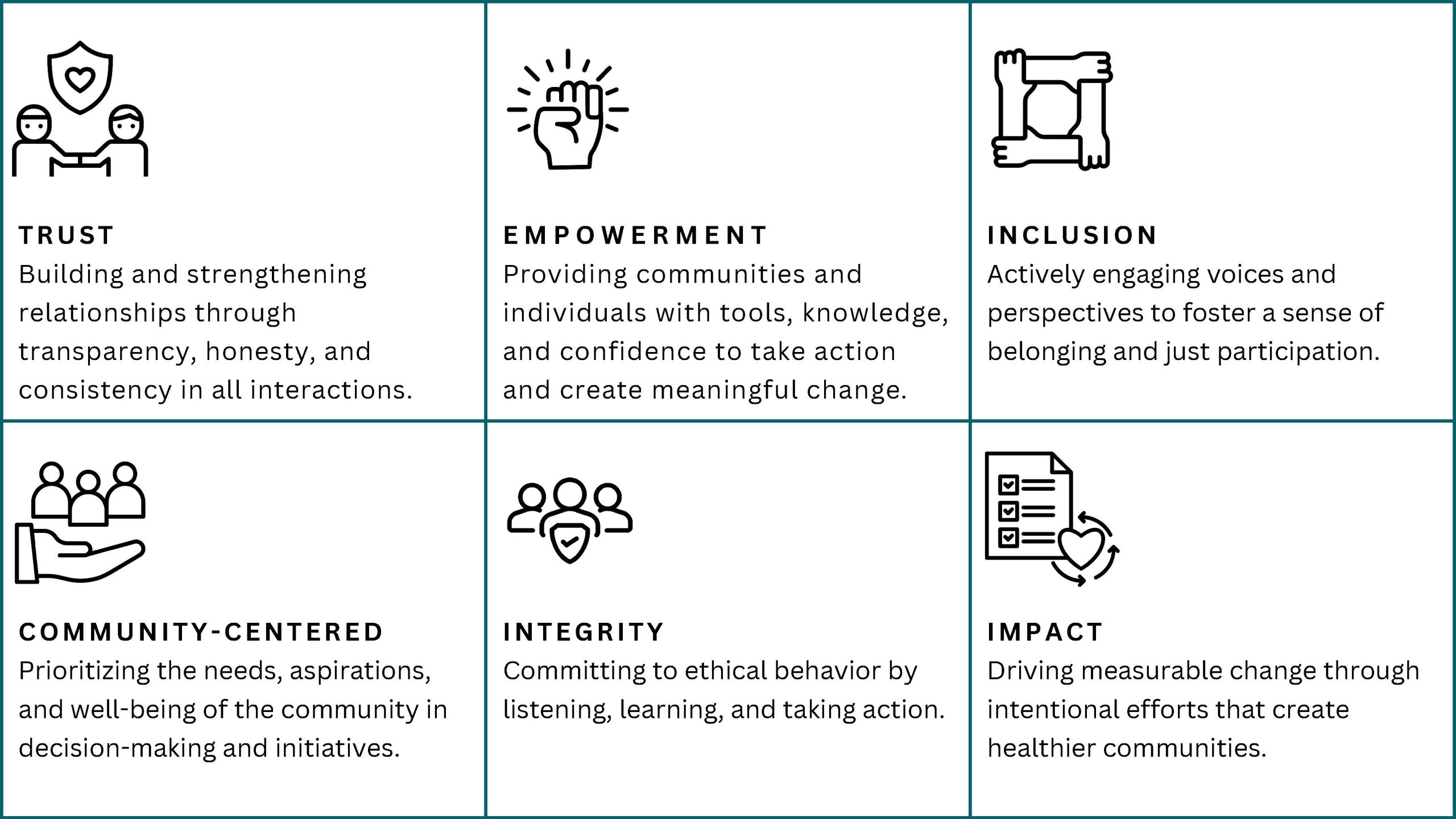
Trust | Empowerment | Inclusion | Community-Centered | Impact
Key Services
Pre-research Stage
- Completing training requirements.
- Establishing a workflow for CHW work.
- Identifying the target population.
- Support with recruitment & outreach plans.
- Support in completing IRB/Smart IRB.
- Community Advisory Board (CAB) development and/or engagement.
_____________________________________________________________________________________________
Why is the Pre-research Stage important?
Pre-research services are vital for building a strong foundation in community-based research initiatives. Establishing clear communication channels and feedback loops during this preparatory phase fosters collaboration between researchers and CHWs, ensuring that community insights are integrated from the outset and that challenges are addressed proactively.
Each study presents distinct training requirements, and dedicating time to prepare the CHW team ensures they are equipped to engage communities effectively and with cultural competence1. Developing a customized CHW workflow tailored to the project enhances clarity and coordination, reducing confusion and delays during implementation2. Furthermore, early support with recruitment planning and identifying target populations enables CHWs to take a strategic, community-centered approach—strengthening participation and improving recruitment outcomes3.
Outreach and Education
- Attend community meetings and events.
- Distribution of study materials & conducting brief educational encounters.
- Canvassing & street outreach.
- Support recruitment efforts.
- Support & refer community members as needed in the field.
_____________________________________________________________________________________________
Why is Outreach and Education important?
Outreach and education services are critical for building trust, raising awareness, and fostering engagement in community-based research. Attending community meetings and events creates valuable networking opportunities that can enhance recruitment efforts4. Distributing study materials and conducting brief educational encounters help correct misinformation and promote health literacy, ensuring communities are well-informed and empowered to participate5. Additionally, providing support and referrals in the field allows CHWs to address barriers that may impact participation and outcomes, reinforcing a responsive and inclusive research approach4.
Recruitment and Enrollment
- Study consent & enrollment for the target population.
________________________________________________________________________________________________
Why is Recruitment and Enrollment important?
Recruitment services are essential for ensuring successful enrollment and sustained participation in community-based research. Implementing a unique, culturally and linguistically tailored approach to consent and enrollment builds trust with the target population, reduces barriers to participation, and enhances both recruitment and retention outcomes3, 6. Using the CHW model ensures that outreach is in line with community values and needs, fostering deeper engagement throughout the research process.
CHW Support
- Follow-up support to study participants with wrap-around services (via phone and/or in-person).
- Gather research data.
- Provide technical support as pertains to study requirements.
________________________________________________________________________________________________
Why is CHW Support important?
By providing non-research support to participants, we are removing barriers to participation in clinical trials and increasing retention3.
Dissemination
- Collaborative creation of dissemination plans and materials for engaged stakeholders and communities.
- Dissemination of findings to the community
- Reporting
________________________________________________________________________________________________
Why is Dissemination important?
Disseminating study results back to the community is essential for building trust and promoting transparency within communities7. Sharing research findings in accessible formats also empowers communities with knowledge that can guide local decision-making, advocacy, and future health initiatives.
References
- Plasencia, G., Kaalund, K., & Thoumi, A. (2023). Training Latinx Community Health Workers as Clinical Research and Health Care System Navigators. Am J Public Health, 113(11), 1157-1159. https://doi.org/10.2105/AJPH.2023.307418 ↩︎
- Wennerstrom, A., Bui, T., Harden-Barrios, J., & Price-Haywood, E. G. (2015). Integrating community health workers into a patient-centered medical home to support disease self-management among Vietnamese Americans: lessons learned. Health Promot Pract, 16(1), 72-83. https://doi.org/10.1177/1524839914547760 ↩︎
- Hohl, S. D., Thompson, B., Krok-Schoen, J. L., Weier, R. C., Martin, M., Bone, L., McCarthy, W. J., Noel, S. E., Garcia, B., Calderon, N. E., & Paskett, E. D. (2016). Characterizing Community Health Workers on Research Teams: Results From the Centers for Population Health and Health Disparities. Am J Public Health, 106(4), 664-670. https://doi.org/10.2105/AJPH.2015.302980 ↩︎
- Choi, E., Heo, G. J., Song, Y., & Han, H. R. (2016). Community Health Worker Perspectives on Recruitment and Retention of Recent Immigrant Women in a Randomized Clinical Trial. Fam Community Health, 39(1), 53-61. https://doi.org/10.1097/FCH.0000000000000089 ↩︎
- Castaneda, S. F., Giacinto, R. E., Medeiros, E. A., Brongiel, I., Cardona, O., Perez, P., & Talavera, G. A. (2016). Academic-Community Partnership to Develop a Patient-Centered Breast Cancer Risk Reduction Program for Latina Primary Care Patients. J Racial Ethn Health Disparities, 3(2), 189-199. https://doi.org/10.1007/s40615-015-0125-8 ↩︎
- Insure the Uninsured Project. (2021). ITUP CHW Fact Sheet. https://www.itup.org/community-health-workers-and-the-health-care-delivery-system/ ↩︎
- Killough, C. M., Madaras, A., Phillips, C., Hettema, J., Ceballos, V., Fuentes, J. E., Rishel Brakey, H., Wagner, K., & Page, K. (2022). Community health worker insights on promoting research engagement with diverse populations. Front Public Health, 10, 959504. https://doi.org/10.3389/fpubh.2022.959504 ↩︎